

How Bank HVAC System Failures Can Impact Your Transactions
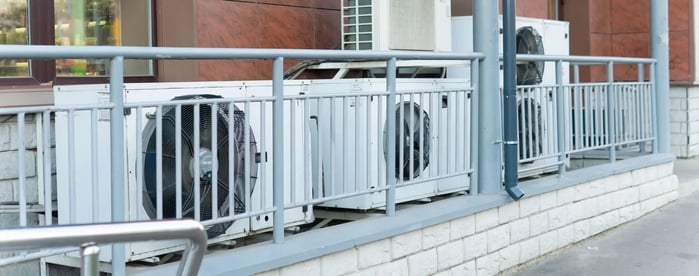
Banks depend on much more than secure vaults and digital infrastructure to maintain smooth operations. Behind every successful branch is a network of building systems that support employees, customers, and critical equipment. Among these systems, HVAC plays a vital role in maintaining comfort, indoor air quality, and operational continuity.
When Bank HVAC System Failure occurs, the consequences can extend far beyond an uncomfortable lobby. From employee productivity issues to equipment overheating and customer complaints, HVAC disruptions can impact daily banking operations and damage customer experience.
According to the U.S. Department of Energy, HVAC systems account for a significant portion of energy consumption in commercial buildings, making their reliability critical for efficient facility operations.
Why HVAC Reliability Is Critical for Bank Branches
Many facility managers ask,
"Why is HVAC reliability important for financial institutions?"
The answer lies in the unique operational requirements of banks.
Unlike typical office spaces, banks accommodate customers throughout the day while also supporting back-office operations, conference rooms, security systems, ATM’s, and IT equipment.
Maintaining proper temperature and ventilation helps ensure occupant comfort, customer satisfaction, and the protection of critical systems in banks.
Poor temperature control can quickly affect customer perceptions. No customer wants to wait in a crowded, overheated lobby during peak business hours. Similarly, employees working in uncomfortable environments often experience reduced productivity.
Effective bank facility management requires proactive attention to HVAC performance. Reliable systems support banking infrastructure management, improve indoor environmental quality, and contribute to long-term operational efficiency.
For architects planning financial facilities, proper HVAC design for financial institutions should be integrated early alongside electrical systems and fire protection systems to avoid future operational challenges.
Common HVAC Failures That Can Affect Banking Operations
A common question among facility managers is:
"What are the most common HVAC issues in commercial buildings?"
Several HVAC-related problems frequently affect commercial banking facilities:
- Aging rooftop units
- Thermostat and control system malfunctions
- Refrigerant leaks
- Dirty filters and blocked airflow
- Electrical failures
- Inadequate preventive maintenance
- Improperly sized HVAC equipment
These issues often lead to HVAC performance issues, uneven temperatures, excessive humidity, and reduced indoor air quality.
In many cases, deferred maintenance is a leading contributor to HVAC equipment breakdown and unexpected failures.
The U.S. Environmental Protection Agency highlights that indoor air quality can directly affect occupant health and workplace performance, making HVAC maintenance an essential operational priority.
Ignoring early warning signs can increase HVAC operational risks and result in costly emergency repairs that disrupt branch activities.
How HVAC Downtime Impacts Customer Service and Business Continuity
Many decision-makers wonder:
"Can HVAC failures impact banking operations?"
The reality is that HVAC outages can affect multiple aspects of branch performance simultaneously.
When a major HVAC system failure occurs, banks may experience:
- Reduced customer comfort
- Longer wait times
- Employee productivity losses
- Equipment overheating risks
- Temporary closure of meeting spaces
- Increased operating costs
The impact of HVAC outages on customer service is often immediate. Customers may shorten visits, postpone appointments, or develop negative impressions of the branch environment.
Additionally, server rooms and network closets generate heat continuously. Without proper cooling, equipment temperatures can rise rapidly, potentially affecting operational systems that support banking transactions.
This is why many financial institutions prioritize business continuity planning, downtime prevention, and infrastructure reliability when managing building systems.
For organizations planning renovations or branch upgrades, our MEP engineers often recommend evaluating HVAC capacity early to prevent operational disruptions during future growth.
Preventing HVAC Failures Through Proactive Maintenance and Engineering Planning
One of the most frequently asked questions is:
"How can banks prevent HVAC downtime?"
The answer starts with a comprehensivepreventive maintenance strategy.
Best practices include:
- Routine HVAC inspections
- Seasonal system testing
- Filter replacement schedules
- Equipment performance monitoring
- Refrigerant checks
- Predictive maintenance programs
- Equipment lifecycle assessments
A structured HVAC preventive maintenance program helps identify issues before they become major operational problems.
For older branches, HVAC system evaluation for banks can determine whether repairs, upgrades, or replacements are the most cost-effective option. This is a common discussion among property owners debating commercial building HVAC replacement versus repair.
Another important consideration is HVAC system redundancy. Critical spaces such as server rooms may require backup cooling solutions to maintain operations during equipment failures.
Financial institutions undergoing renovations should also focus on MEP coordination for bank projects to ensure HVAC, electrical, plumbing, and fire protection systems work together efficiently.
How MEP Engineers Help Banks Reduce Operational Risks
Effective MEP engineering design for banks goes beyond designing comfortable indoor environments. It involves creating resilient systems that support operational goals and long-term reliability.
Professional engineering teams help banks by providing:
- HVAC load calculations
- Existing system assessments
- Equipment selection and replacement planning
- Energy-efficiency improvements
- HVAC retrofit for banks
- Building systems coordination
- Critical facility HVAC design
Banks planning expansions, branch renovations, or infrastructure upgrades can benefit from specialized bank HVAC engineering design services that align mechanical systems with operational requirements.
A proactive engineering approach improves mechanical system resilience, supports facility risk management, and reduces the likelihood of costly disruptions.
Conclusion
HVAC systems are an essential part of modern banking operations. While often overlooked, Bank HVAC System Failures can lead to customer dissatisfaction, employee productivity challenges, equipment risks, and operational disruptions.
By investing in HVAC reliability, routine maintenance, and strategic bank MEP design, financial institutions can strengthen operational continuity and improve customer experience.
Whether planning a new branch, upgrading aging equipment, or evaluating existing systems, proactive engineering and maintenance remain the most effective ways to reduce risk and support long-term business success.
If you're planning a branch renovation or need expert guidance on HVAC consulting for financial institutions, partnering with an experienced Hvac design team can help ensure your facility remains efficient, resilient, and ready for future demands.
FAQs
An HVAC failure can create uncomfortable indoor conditions, affect employee productivity, increase customer complaints, and potentially expose sensitive equipment to excessive temperatures.
Common causes include aging equipment, poor maintenance practices, refrigerant leaks, electrical failures, dirty filters, and malfunctioning control systems.
Banks maintain indoor air quality through proper ventilation, regular filter replacement, HVAC system cleaning, and ongoing monitoring of system performance.
HVAC systems help maintain safe operating conditions for employees, customers, IT infrastructure, and security equipment while supporting overall operational continuity.

Keith Fink
Keith is the Franchise Brand Manager at NY Engineers, Keith is all things related to our project portfolio, brands and all things you need to know before we start your project.
Discuss Your Project With Our Engineers
Join 15,000+ Fellow Architects and Contractors
Get expert engineering tips straight to your inbox. Subscribe to the NY Engineers Blog below.