

Building Scalable Engineering Systems for Energy Efficient Buildings
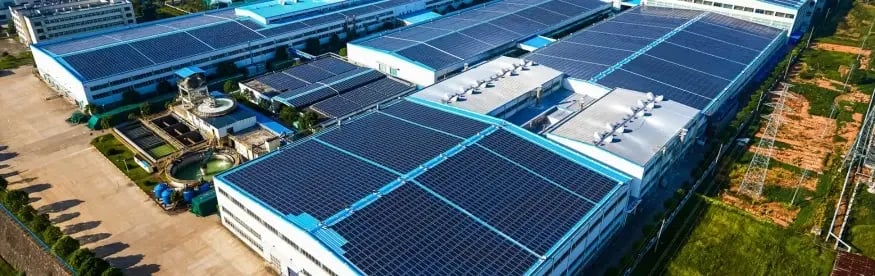
Energy costs continue to rise, while sustainability regulations become stricter each year. What used to be considered advanced building technology is now turning into a baseline requirement. Smart buildings are no longer a differentiator — they are an expectation.
However, the real complexity appears beneath the surface. Modern buildings are no longer static structures; they function as dynamic systems composed of HVAC networks, electrical infrastructure, lighting, sensors, and energy management platforms. Each of these elements generates data and requires coordination. The challenge is not the availability of technology, but the ability to integrate and scale it effectively.
The Current Reality: Complex Systems, Limited Integration
Today’s buildings generate enormous volumes of operational data. HVAC systems track temperature and airflow, sensors monitor occupancy, and energy meters record consumption in real time. Despite this, much of the data remains unused or poorly integrated.
The core issue lies in fragmentation. Systems are often installed at different times, by different vendors, and without a unified strategy. As a result, building operators manage multiple disconnected platforms instead of a single cohesive system.
Engineering plays a central role in solving this problem. Scalable solutions require not only high-quality equipment but also a well-designed integration framework. More on how modern engineering approaches address these challenges here.
Without proper integration, even advanced systems fail to deliver measurable improvements in efficiency or performance.
Digital Twins in Modern Building Engineering
Digital twin technology is rapidly gaining traction in building engineering. By creating a virtual representation of a building, engineers can simulate system behavior under various conditions without affecting real-world operations.
This approach allows for:
- Testing HVAC performance under peak loads
- Optimizing energy consumption patterns
- Predicting equipment failures before they occur
Instead of reacting to issues after they arise, building operators can make data-driven decisions in advance. This significantly reduces downtime and operational costs.
Digital twins also improve long-term planning, enabling more accurate forecasting of maintenance cycles and system upgrades.
The Integration Challenge in Smart Buildings
One of the most underestimated challenges in modern building engineering is interoperability. A single building may include systems from dozens of manufacturers, each using different communication protocols.
While standards such as BACnet and Modbus exist, real-world implementation is often inconsistent. This leads to partial integration, where systems exchange limited data but do not operate as a unified ecosystem.
The result is inefficiency. HVAC systems may not adjust based on real occupancy data, lighting systems may operate independently of daylight conditions, and energy usage remains higher than necessary.
Achieving full integration requires careful planning at the design stage, not after installation. This is where experienced engineering teams create long-term value.
What Scalable Engineering Systems Actually Look Like
Data Driven Building Management
Modern buildings rely on continuous data analysis rather than manual control. Systems automatically adjust based on real-time inputs such as occupancy levels, external weather conditions, and internal usage patterns.
Modular System Architecture
A scalable building is designed in layers. HVAC, lighting, and energy systems are developed as modular components that can be upgraded or replaced independently. This approach reduces downtime and allows buildings to adapt to future technologies.
Edge Processing for Critical Operations
Not all decisions can be made in the cloud. Systems such as climate control require immediate responses. Edge processing allows critical functions to be handled locally, ensuring stability and performance even during network disruptions.
Predictive Maintenance
Instead of waiting for equipment to fail, modern systems use data to predict when maintenance is needed. This reduces unexpected breakdowns and extends the lifespan of key components.
Energy Efficiency as a Business Strategy
Energy efficiency is no longer just an environmental concern — it is a financial one. Poorly optimized buildings consume significantly more energy, increasing operational costs over time.
Well-engineered systems can:
- Reduce energy consumption by optimizing HVAC performance
- Improve occupant comfort and productivity
- Increase property value
Investing in scalable engineering solutions delivers measurable returns, especially for commercial properties operating at a large scale.
Compliance and Regulatory Pressure
Regulatory requirements for buildings are becoming increasingly complex. Energy performance standards, emissions reporting, and sustainability certifications are now mandatory in many regions.
Frameworks such as LEED, as well as local energy codes, require detailed data tracking and reporting. Manual processes are no longer sufficient to meet these demands.
Engineering systems must be designed with compliance in mind from the outset. Retrofitting compliance into existing systems is significantly more expensive and less effective.
The Role of Automation and AI
Artificial intelligence is beginning to play a larger role in building operations. AI-driven systems can analyze large volumes of data and identify patterns that are not visible through traditional methods.
Applications include:
- Optimizing HVAC performance in real time
- Forecasting energy demand
- Detecting anomalies in system behavior
While AI is not a complete solution, it significantly enhances the capabilities of well-designed engineering systems.
The Future of Smart Building Engineering
The next phase of building engineering is focused on full system integration and automation. Buildings are evolving into intelligent environments capable of self-optimization.
Key trends include:
- Unified platforms for energy and building management
- Deeper integration between systems
- Increased use of real-time data
The most successful buildings will not be those with the most advanced individual technologies, but those where all systems work together seamlessly.
Final Thought
Modern building engineering is no longer about installing individual systems. It is about creating an integrated environment where every component contributes to overall performance.
As energy demands increase and sustainability becomes a priority, scalable engineering solutions will define the future of buildings. The technology already exists — the real challenge is implementing it correctly and ensuring it works as a cohesive system.

Anuj Srivastava
Anuj Srivastava is a principal partner at NY Engineers. He is known for his MEP franchise market knowledge. Anuj is currently leading a team of 100+ MEP/FP engineers and has successfully led over 1500 franchise projects in the US.
Discuss Your Project With Our Engineers

Join 15,000+ Fellow Architects and Contractors
Get expert engineering tips straight to your inbox. Subscribe to the NY Engineers Blog below.