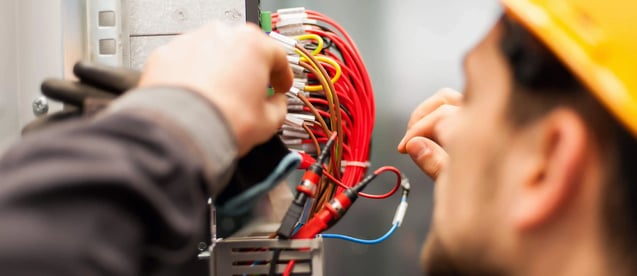
Designing a successful QSR (Quick Service Restaurant) in Texas involves much more than creating an efficient floor plan. From high-powered kitchen equipment to drive-thru technology systems, electrical design challenges in QSR projects can quickly become major construction and operational issues if not addressed early.
Architects, QSR owners, and general contractors often face costly redesigns due to poor coordination between kitchen layouts and electrical systems. Electrical capacity mismatches and last-minute changes in kitchen equipment frequently lead to load discrepancies, creating significant challenges during restaurant build-outs.
According to the U.S. Department of Energy, commercial kitchens are among the highest energy-consuming spaces in commercial buildings due to heavy equipment loads and ventilation requirements.
This makes early Texas restaurant electrical planning critical for long-term operational efficiency.
For QSR projects, proper electrical coordination is not just about compliance — it directly impacts construction timelines, operational performance, and future scalability.
Why Electrical Planning Is Critical For QSR Projects in Texas
Unlike standard retail spaces, QSRs require extensive electrical system design for restaurants due to high-demand kitchen equipment, refrigeration systems, POS stations, digital menu boards, and drive-thru technology.
One of the biggest QSR electrical design challenges is underestimating electrical demand during the early planning phase. Many architects focus on space efficiency first, only to discover later that the building’s utility capacity cannot support the restaurant’s operational requirements.
This becomes even more complicated in tenant build-outs, where existing infrastructure may already have limitations. Poor restaurant electrical infrastructure planning often leads to delays during permitting and inspections.
Common Electrical Load Calculation Mistakes in QSR Projects in Texas
One of the most common QSR electrical planning mistakes is inaccurate load calculations for commercial kitchen equipment.
QSR kitchens rely on fryers, ovens, refrigeration units, warming stations, and beverage systems — all requiring significant electrical capacity. If the design team underestimates these loads, the project may experience overloaded circuits, breaker trips, or expensive electrical upgrades later.
Architects often face challenges when kitchen consultants or franchise owners make late equipment revisions. A common industry frustration is:
“Kitchen equipment changed again — now electrical loads don’t match.”
These last-minute changes can completely disrupt restaurant electrical load calculations and affect panel sizing, conduit routing, and dedicated circuit planning.
Proper electrical load calculations for commercial kitchen equipment should always include flexibility for future equipment additions and operational expansion.
Electrical Panel Space and Power Distribution Challenges
Small-format QSRs in Texas often struggle with limited back-of-house space. One recurring issue architects mention is:
“Anyone dealing with electrical panel space problems in small QSRs?”
This is a serious concern in modern QSR layouts where every square foot impacts revenue-generating dining or kitchen space.
Poor power distribution issues in QSR projects can lead to inaccessible electrical panels, overloaded circuits, and inefficient routing of electrical conduits.
Additionally, many restaurant tenant spaces were not originally designed for food-service operations. This creates electrical capacity problems in tenant build-outs, especially in older retail centers.
To avoid these problems, architects and electrical design engineers should coordinate panel locations, voltage requirements, and equipment clearances early in the design process.

How Poor Electrical Coordination Delays Restaurant Construction
Another major challenge is poor coordination between architectural layouts, kitchen equipment plans, and electrical systems.
In many QSR projects, equipment layouts evolve throughout the project. Without proper collaboration, this creates serious electrical coordination problems in restaurant design.
For example:
- outlet locations may no longer align with equipment layouts
- Conduit routing conflicts with architectural elements
- Emergency shutoff systems are overlooked
- Drive-thru systems require additional dedicated circuits
These electrical design issues during restaurant build-outs often lead to RFIs, redesigns, and inspection failures.
According to Construction Industry Institute studies, poor coordination during design phases significantly increases project delays and change-order costs.
For architects managing fast-track restaurant projects, early collaboration with QSR MEP design consultants is essential to reduce coordination failures.
Designing or Upgrading a QSR in Texas?
Proper electrical system design is critical for handling kitchen loads, avoiding downtime, and ensuring code compliance. Expert planning helps prevent costly redesigns and operational issues from day one.

Future Expansion Mistakes in QSR Electrical Design
Modern QSRs continue to evolve with self-order kiosks, digital signage, delivery systems, and automated kitchen technologies.
However, many projects fail to plan for future expansion. One growing concern among operators is:
“Drive-thru equipment overloaded our electrical panel — what now?”
Without adequate spare panel capacity and future load planning, restaurants may face expensive upgrades shortly after opening.
Smart electrical engineering for restaurants in Texas should include:
- spare breaker capacity
- scalable power distribution systems
- future technology allowances
- dedicated circuits for expansion equipment
Planning ahead can help avoid operational disruptions and future renovation costs.
Conclusion
Managing electrical design challenges in QSR projects requires more than basic code compliance. Architects and contractors must carefully coordinate kitchen equipment loads, panel space requirements, power distribution systems, and future expansion planning.
In the QSR projects in Texas, early collaboration between architects, kitchen consultants, and electrical engineers can significantly reduce construction delays, redesign costs, and operational failures.
Working with experienced restaurant electrical design services providers can help create scalable, code-compliant, and operationally efficient restaurant environments.