

What Actually Counts as an HVAC Emergency and What Can Wait Until Monday
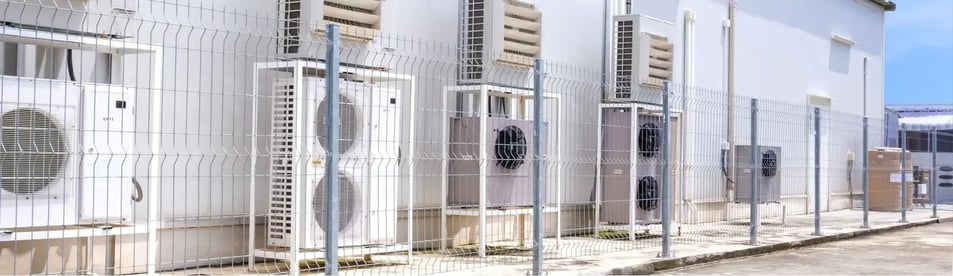
Not all HVAC problems demand the most immediate action for repair. Some situations may be an HVAC emergency or would cause serious property damage, while others can be addressed during regular business hours, and you can save on the additional expense of an after-hours call-out.
This guide will outline a list of issues with HVAC systems that you need to deal with right away, and other issues you can wait until Monday to get fixed.
HVAC Problems That Are True Emergencies and Require Immediate Action
Certain HVAC complaints that require 24/7 emergency HVAC service in New Jersey aren't something that ought to be ignored, as they can become costly and even dangerous.
If you have the following issues, call for an HVAC emergency service right away:
- A distinct smell of natural gas.
- Carbon monoxide detector alarms often spring a leak.
- Smoke, sparks, or indications of an electrical fire.
- Flooding or major water leaks from HVAC equipment.
- The loss of heat, during unpleasantly cold weather, is complete.
- Repeatedly tripping electrical breakers when HVAC units start up.
In the event of a suspected gas leak, evacuate the premises, do not use electrical switches, and alert the gas company before hiring any HVAC contractor.
HVAC Issues That Can Wait Until Monday
There are lots of common HVAC issues that do not need to be considered emergencies. Sometimes when the service can be scheduled during working hours, it will be more logical and cheaper.
Examples include:
- Any temperature difference in rooms can be caused by a difference in heating or cooling.
- Suspicious noises (no burning, no smoke)
- A clogged air filter
- Minor thermostat issues
- A system with lower normal cycle times.
- Slight refrigerant performance problems.
- Reduced energy efficiency
Generally, if your household is finding it more or less comfortable, with no safety issues, it's OK to wait, unless there's a prior appointment.
How to Quickly Decide If It’s an Emergency
Before calling a service company for emergency HVAC repair, ask yourself a few simple questions about the problem with your HVAC system.
Consider the following:
- Does someone need their health or safety put at risk at this time?
- Do you have a gas smell or a CO alarm?
- Does it have smoke, fire, or an electrical hazard?
- Will there be substantial water damage if repairs are delayed?
If you answer “yes” to any of the first five questions, it would seem that an emergency service is warranted.
What to Do While Waiting for HVAC Repair
The choice to consider the following advice will assist in reducing your discomfort and avoiding any further harm to your building.
For heating problems:
- Wrap yourself in warm blankets and clothing.
- Shut the doors of rooms not in use.
- Fit weatherstrips around the doors and windows.
- Draw curtains to avoid exposure to sunlight.
- Open windows to allow air circulation.
- Try to keep activities that generate energy to a minimum, like baking.
For cooling problems:
Avoid constantly trying to get the unit working if it does not seem to be functioning correctly, because it could result in unnecessary mechanical damage.
Cost Differences Between Emergency and Scheduled HVAC Repairs
There is absolutely no doubt about its cost; an emergency HVAC service will cost more than an HVAC repair that takes place during normal business hours.
There are various reasons for the higher expense for repairs during emergencies:
- After-hours labor rates
- A charge may be applied for weekend/holiday services.
- Immediate dispatch charges
- Overtime wages
- Limited parts availability
Waiting for normal business hours will likely result in a lot lower costs if there is not a real need for an emergency HVAC repair.
Common Mistakes Homeowners Make in HVAC Emergencies
Sometimes, people will make a decision that might lead to more problems when their HVAC systems fail.
Common mistakes include:
- Ignoring burning odors
- Ongoing operation of a faulty system
- Blocking of all vents in the house
- Taking a chance to let air filters become clogged.
- Not maintaining repairs even when safety issues are apparent
It may simply be due to a tripped breaker, a wrong thermostat setting, or a clogged air filter.
Preventing HVAC Emergencies in the Future
An HVAC company like Platinum HVAC can have backlogged work for 2-3 weeks of work during peak seasons. Acting on the matter beforehand to prevent the problem from becoming a complete failure is the best solution.
Preventive measures include:
- Finding professional HVAC service twice a year. Having professional HVAC service twice a year.
- Changing air filters every 1-3 months
- Clearing up debris from outside units
- Cleaning the return and supply vents.
- Listening for unusual noises or odors
- Solving minor repair problems at an early stage
Regular maintenance helps to detect if any component is worn or degraded before it fails, so that it can improve reliability and system efficiency.
Conclusion
It is not always necessary to have emergency visits when the HVAC system breaks down. In differentiating whether the visit is an emergency or not, it would greatly benefit the homeowner in making sound decisions and avoiding unnecessary expenses.

Anuj Srivastava
Anuj Srivastava is a principal partner at NY Engineers. He is known for his MEP franchise market knowledge. Anuj is currently leading a team of 100+ MEP/FP engineers and has successfully led over 1500 franchise projects in the US.
Discuss Your Project With Our Engineers

Join 15,000+ Fellow Architects and Contractors
Get expert engineering tips straight to your inbox. Subscribe to the NY Engineers Blog below.