

Why California is Embracing Electrification: 3 Key Reasons
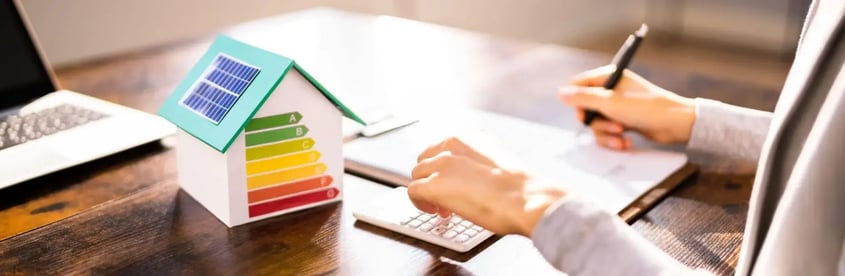
Electric cars in every parking lot, heat pump installations as routine as oil changes, and solar panels on rooftops in unexpected places are just a few examples of the changes that long-term California residents have surely noticed. Maintenance contractors for heating, ventilation, and air conditioning systems, as well as those for plumbing and electrical systems, report that customers no longer routinely schedule these services. The requests have changed. People are asking for EV charger installation, heat pump conversions, and induction range hookups. Or they'll request electrical service for business properties that are switching their entire commercial fleet to electric. Something has clearly shifted.
California isn't doing this on a whim. The state has been building toward this moment for decades, and three big forces are driving the push forward right now.
Reducing Greenhouse Gas Emissions
The numbers are hard to argue with. Buildings and transportation together account for the lion's share of California's emissions, and both run heavily on fossil fuels. Natural gas heats most homes. Gasoline moves most cars. The concept behind electrification is straightforward: you can solve a large portion of the issue if you can lower gas emissions from those two industries and power everything from a grid that is becoming cleaner every year.
Without electrifying buildings, California's 2045 carbon neutrality objective is not feasible. A gas furnace burning methane can't be made clean; you either replace it or you miss the target. For this reason, building laws restricting or outright prohibiting new gas hookups have been passed by communities like San Jose and Berkeley. The same thing is frequently said by homeowners who have switched: the house feels the same, if not better. The bills look different, though.
The connection between electrification and efforts to reduce gas emissions isn't just about climate idealism. It's embedded in state law, utility planning, and local ordinances. At this point, it's institutional.
Economic Incentives and Job Creation
For many Californians, the Inflation Reduction Act altered the math. In contrast to five years ago, replacing an outdated furnace with a heat pump is now truly inexpensive thanks to federal tax credits and state rebate programs like TECH Clean California. The incentive stack, federal credit, state rebate, and utility incentive can knock thousands off an install that might've felt out of reach otherwise.
There's also the job side of this. The electrification transition has generated real demand for skilled trades: electricians, HVAC techs, solar installers, EV charger specialists. These are the kinds of renewable energy jobs that don't relocate easily. You can't outsource a heat pump install to another country. Analysts tracking California's clean energy workforce consistently point to renewable energy jobs as one of the faster-growing segments of the state's trades sector. That matters to communities that have watched manufacturing disappear.
The economic case for electrification isn't just top-down policy math. It's showing up in hiring, in contractor backlogs, in the waiting lists for rebate programs that keep running out of funds before the end of the year.
Enhancing Energy Reliability and Independence
This one is personal for a lot of Californians. Over the past few years, grid shutoffs due to wildfires have raised awareness of how vulnerable people are when their homes rely solely on centralized infrastructure. Theoretically, a home equipped with solar panels, a battery backup, and a heat pump may maintain heat and lighting even in the event of a power outage. There is no such choice for a home that uses grid electricity and gas appliances.
Most individuals don't think about the geopolitical layer until there's a crisis. Utility bills went up a lot in 2022 as natural gas prices were up. People who have electric appliances powered by their own rooftop solar were mostly safe. In that case, the electrification benefits are real and urgent, not just theoretical. You notice it when your neighbor is calling their gas company about a tripled bill, and you're not.
It's harder to make the grid strong when there are a lot of people using it, and California is still working on it. But the way forward is clear: distributed energy generation, battery storage, and demand flexibility all lead to a system that is less likely to be affected by supply shocks and bad weather.
Challenges and Considerations
There is no friction in any of this. Before you can install an EV charger or a heat pump to an older home, you may need to upgrade the electrical panels. This is a big expenditure, even with incentives. Renters can't always make these choices for themselves, and the change hasn't been the same for everyone, regardless of income or kind of dwelling.
Grid capacity is a legitimate concern, too. Electrifying everything simultaneously puts real pressure on infrastructure that wasn't designed with mass EV adoption in mind. Utilities are investing in upgrades, but the pace of installation sometimes outstrips the pace of grid hardening.
In Conclusion
California's electrification push is messy, expensive in places, and far from complete. But the direction is set. If you're a homeowner in the state, the clearest takeaway is probably this: get a panel assessment now, before you're forced into it. Understanding what your home can handle and what it'll cost to upgrade puts you ahead of a transition that's coming regardless.

Anuj Srivastava
Anuj Srivastava is a principal partner at NY Engineers. He is known for his MEP franchise market knowledge. Anuj is currently leading a team of 100+ MEP/FP engineers and has successfully led over 1500 franchise projects in the US.
Discuss Your Project With Our Engineers

Join 15,000+ Fellow Architects and Contractors
Get expert engineering tips straight to your inbox. Subscribe to the NY Engineers Blog below.