

5 Key Trends Shaping Electrical Device Distribution in 2026
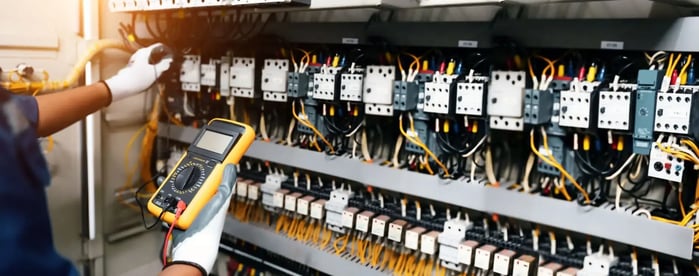
Modern electrical infrastructure carries more demand than at any previous point in engineering history. Facilities run increasingly variable loads, commercial buildings integrate more sophisticated automation systems, and energy codes place tighter requirements on how power moves through a structure or plant. The hardware that routes, conditions, and protects that power now carries far greater design responsibility than it did just a decade ago, and the pace of change is not slowing down.
Engineers who specify or commission these systems understand the pressure firsthand. A wrong specification decision does not just create a rework headache; it can compromise system safety, fail a code inspection, or cut short the operational life of every connected component downstream. Staying informed about where the direction of this industry, both technically and practically, positions engineering teams to make design decisions that hold up under real-world operating conditions and regulatory scrutiny.
Distribution Hardware Faces New Demands
Electrical distributors, as physical power-routing devices, form the structural backbone of every electrical system inside a building or industrial facility. This hardware category includes switchgear, panelboards, motor control centers, bus duct systems, and distribution boards that collectively manage how electricity travels from the service entrance to every individual load. The specification decisions engineers make about these devices cascade through the entire electrical design, affecting safety margins, energy performance, and long-term reliability.
Modern facilities run variable frequency drives, programmable controllers, high-efficiency motors, and sensitive process equipment all on the same distribution network, and that load mix places new performance expectations on distribution hardware. A panelboard that works well for one load profile can underperform badly as a facility expands or its operational requirements shift. This reality pushes specifications toward wider current-handling tolerances, harmonic-rated components, and modular configurations that allow engineering teams the flexibility to adapt without a complete infrastructure overhaul.
Smart Monitoring Enters Panel Design
Real-time monitoring is now a standard feature of distribution hardware. It lets engineering teams always see how loads are behaving, how optimal the power quality is, and what the fault conditions are. Smart metering modules built into panelboards and switchgear keep track of voltage levels, current draw, power factor, and harmonic content in real time for each circuit. This capability changes how engineering teams approach both preventive maintenance planning and post-fault diagnosis at the system level.
Studies indicate that unplanned electrical downtime costs industrial facilities an average of over $250,000 per hour, which positions real-time monitoring as a fully justified capital expenditure rather than an optional convenience. Motor selection decisions rely heavily on accurate load data, and distribution hardware that supports communication protocols like Modbus or EtherNet/IP delivers that data at the component level rather than only at the main panel. Engineers who specify monitoring-capable distribution equipment from the start create a foundation for operational visibility that serves the facility throughout the system’s complete lifespan.
Energy Codes Reshape Hardware Specs
Energy codes across the United States continue to raise performance requirements for distribution hardware, not just installation standards. ASHRAE 90.1 now places direct obligations on distribution system losses, power factor correction, and harmonic management within the electrical infrastructure itself. Engineers who overlook these requirements during specification create compliance gaps that surface during commissioning rather than during design, where they cost substantially less to address.
High-efficiency motors operating through variable frequency drives generate harmonic currents that distribution panels must handle without thermal overload or nuisance protective device trips. Studies indicate that harmonic distortion costs US industries billions of dollars annually through equipment damage, wasted energy, and unplanned maintenance. Specifying distribution hardware with appropriate K-factor transformer ratings, harmonic-tolerant bus bar designs, and coordinated protective devices addresses these issues at the source rather than treating them as downstream problems for another phase of the project to solve.
Soft Starters Protect Mechanical Systems
Soft starters directly shape how distribution hardware manages startup current demands across any motor-driven system. A motor starting across the line pulls inrush current six to ten times its full-load amperage rating, and that event stresses the distribution panel as much as it stresses the motor itself. Breakers, bus bars, and connection terminals inside distribution enclosures absorb the mechanical and thermal impact of every hard start, accumulating damage across thousands of startup cycles over time.
Studies indicate that motors account for approximately 70% of industrial electricity consumption, which means effective startup management carries direct implications for distribution hardware sizing and long-term infrastructure costs. A soft starter limits the inrush current by slowly raising the voltage, which lowers the immediate demand that distribution parts have to handle when a motor starts. For facilities with several big motors, this aspect means that the bus ratings don't need to be as high, there are fewer nuisance protective trips, and the distribution hardware that supports those motor circuits lasts longer.
Custom Assembly Reduces Field Risk
Pre-engineered, custom-assembled distribution solutions change how engineers close the gap between design intent and installed reality on every project. When distribution hardware arrives on a job site as a pre-wired, verified assembly, the engineering team spends less time managing field discrepancies and more time confirming the system performs against specification. This approach cuts the number of unplanned field decisions that require direct engineering input during installation and startup.
The commissioning advantage here is direct and tangible. A custom-assembled enclosure containing integrated drives, programmable logic controllers, contactors, and protective devices leaves the assembly environment after thorough in-house testing, which means field commissioning starts from a confirmed baseline rather than an unverified one. Studies indicate that field wiring errors account for a substantial share of commissioning delays on electrical projects, and shifting assembly to a controlled environment removes those variables entirely. For engineering teams running multiple concurrent projects, that reduction in on-site uncertainty carries real schedule and quality payoffs.
Conclusion
Distribution hardware continues to evolve at a pace that demands active attention from engineering professionals. The trends reshaping these devices, from real-time monitoring integration and energy code compliance to harmonic management and custom assembly, all point toward a future where specification decisions carry greater technical consequence than before. Engineers who follow these developments protect both their project outcomes and the long-term performance of the systems they design.
The strongest decisions in this space combine product knowledge with genuine application context. Understanding how distribution hardware interacts with the full control environment, from variable frequency drives and programmable controllers to soft starters and power quality correction devices, allows engineering teams to specify with confidence rather than react to problems after installation. That proactive mindset makes a measurable difference in system reliability, code compliance, and long-term operational performance across every project these systems support.

Ankit Javeri
Ankit is the Project Manager at NY Engineers, who holds an M.Tech. Some of his projects includes Community Access, Jackson Avenue
Discuss Your Project With Our Engineers

Join 15,000+ Fellow Architects and Contractors
Get expert engineering tips straight to your inbox. Subscribe to the NY Engineers Blog below.