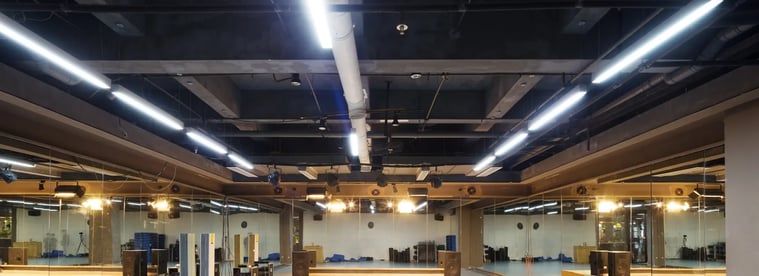
Running a fitness center in California comes with high operational expenses, and energy bills are often one of the biggest concerns.
If you’re wondering why gyms' energy bills are so high, the answer lies in continuous HVAC usage, long operating hours, and inefficient system design.
To stay competitive, gym owners and architects must focus on strategies to reduce energy costs in California gyms while maintaining comfort and performance.
Why Energy Costs Are So High in California Gyms
Energy consumption in fitness centers is significantly higher compared to other commercial spaces.
According to the U.S. Department of Energy, HVAC systems alone can account for nearly 40–60% of total energy usage in commercial buildings.
This becomes even more critical when dealing with California gym energy costs, where electricity rates are among the highest in the U.S.
Key reasons include:
- Continuous cooling demand due to high occupancy
- Extended operating hours
- High heat generation from equipment
- Poor system design and inefficiencies
These factors directly impact your ability to reduce electricity bills in California gyms.
Key Systems Driving Energy Consumption in Fitness Centers
Understanding where energy is consumed is the first step toward energy efficiency in California gyms.
HVAC Systems
The biggest contributor to high energy consumption in the gym is cooling, ventilation, and humidity control.
Lighting Systems
Outdated systems lead to inefficient lighting in fitness centers, increasing unnecessary loads.
Gym Equipment
Cardio machines and weight systems add to electrical demand.
Water Heating
Locker rooms and showers increase thermal energy usage.
Top 5 MEP Design Strategies to Reduce Energy Costs in California Gyms
1. Optimize HVAC Zoning & Load Calculations
Gyms have uneven heat loads (cardio zones, weight areas, studios), but many systems are designed uniformly—wasting energy.
- Use accurate load calculations
- Create zoned HVAC systems for different activity areas
- Integrate variable air volume (VAV) systems
Result: Reduced overcooling and lower HVAC energy consumption (major cost driver)
2. Demand-Controlled Ventilation (DCV)
Gyms require high ventilation, but running systems at full capacity all day is inefficient.
- Install CO₂ sensors to adjust fresh air intake based on occupancy
- Reduce ventilation during off-peak hours
- Align with California Title 24 energy requirements
Result: Significant savings on ventilation energy without compromising air quality
3. Energy-Efficient Lighting & Smart Controls
Lighting runs for long hours in gyms, especially 24/7 facilities.
- Use LED fixtures with occupancy sensors
- Install daylight harvesting controls (for gyms with windows/skylights)
- Integrate lighting with a centralized building management system
Result: Up to 50–70% reduction in lighting energy costs
4. High-Efficiency Equipment & System Integration
Outdated systems consume more energy and increase maintenance costs.
- Use high-efficiency HVAC units (VRF systems or high SEER-rated units)
- Integrate HVAC, lighting, and electrical systems through a Building Management System (BMS)
- Monitor real-time energy usage
Result: Improved system coordination and long-term operational savings
5. Optimize Plumbing Systems for Energy Savings
Plumbing also impacts energy use, especially in locker rooms and showers.
- Install low-flow fixtures and sensor-based faucets
- Use energy-efficient water heaters (heat pump water heaters)
- Optimize hot water recirculation systems
Result: Reduced water heating energy and utility bills
Looking to reduce energy costs in your California gym?
Our experts at NY Engineers provide customized MEP design and energy optimization solutions tailored for fitness facilities.

California Energy Codes & Title 24 Compliance for Gyms
California has strict energy regulations under Title 24. Meeting Title 24 energy compliance for California gyms ensures:
- Lower energy consumption
- Regulatory approval
- Improved building performance
Ignoring compliance can lead to penalties and inefficient systems, making HVAC design for gyms even more critical.
Energy-Saving Tips for Gym Owners (Quick Wins)
If you're looking for immediate improvements, these energy-saving tips for gym owners can help:
- Schedule HVAC systems based on peak hours
- Turn off unused zones and equipment
- Upgrade to energy-efficient machines
- Conduct regular maintenance checks
- Monitor peak load usage
These are practical energy-saving tips for gym owners aiming to reduce the operating costs of their gym business.
Conclusion: Build an Energy-Efficient Gym That Saves Costs
Reducing energy costs isn’t just about cutting expenses—it’s about building a sustainable and high-performing facility.
By combining smart HVAC strategies, efficient lighting, and expert MEP consultants for gyms in California, you can significantly reduce energy costs in gyms while improving user experience.
If you're planning a new gym or upgrading an existing one, investing in energy audit services for gyms and professional design solutions is the smartest move forward.