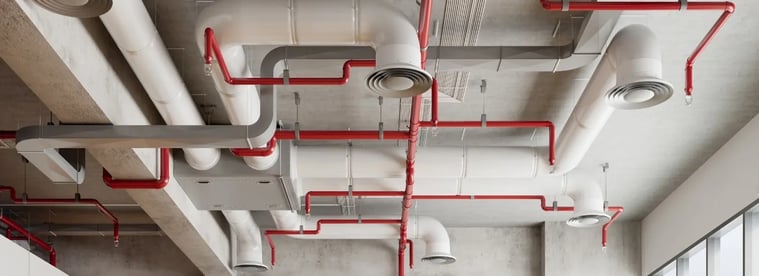
Designing Veterinary Clinics in Florida is not the same as designing a standard commercial office. Between year-round humidity, odor control demands, and medical ventilation requirements, Florida veterinary mep design requires careful engineering coordination.
For architects and petcare clinic owners, ventilation failures often lead to mold growth, permit delays, IAQ complaints, and costly redesigns.
Below are the most critical seven ventilation and humidity challenges in Florida Veterinary Clinics — and how experienced MEP engineers solve them.
1. Florida’s High Humidity and Its Impact on HVAC Performance
Florida’s climate presents one of the most significant design challenges: persistent moisture loads. According to the National Oceanic and Atmospheric Administration, Florida cities frequently experience average relative humidity levels above 70%, which significantly impacts indoor air control strategies.
In veterinary facilities, high humidity can quickly create serious problems. Excess moisture increases the risk of mold, causes condensation in ducts and ceilings, reduces HVAC efficiency, and makes it harder to maintain comfortable conditions.
Over time, poor humidity control can impact both system performance and animal comfort, making proper ventilation design essential.
Without proper humidity control in veterinary clinics, systems struggle to maintain stable indoor conditions. Standard rooftop units used in retail spaces are often insufficient for these moisture loads.
2. Odor Control Challenges in Kennel and Boarding Areas
Kennels and boarding spaces generate strong odors due to animal density, cleaning chemicals, and sanitation processes. Proper animal hospital ventilation design requires:
- Higher air changes per hour
- Dedicated exhaust systems
- Airflow zoning to prevent odor migration
Poorly designed airflow results in odors spreading to waiting areas and exam rooms — negatively affecting client experience.
ASHRAE ventilation guidelines emphasize proper exhaust and filtration strategies for healthcare-related spaces. The ASHRAE provides standards that influence ventilation design for medical and quasi-medical facilities.
Struggling With Humidity Control in Your Petcare Facility?
Our Florida-focused MEP engineers design ventilation systems that maintain proper pressure, airflow zoning, and dehumidification — built specifically for high-moisture climates.

3. Negative Pressure Requirements for Isolation Rooms
Isolation rooms in animal hospitals require negative pressure to prevent airborne contaminants from spreading to other areas of the facility.
This means air must flow into the room rather than out, ensuring containment of potential pathogens. To achieve this, exhaust systems must be carefully balanced, and pressure differentials must be properly tested and verified to maintain safe and compliant operation.
Improper coordination between architectural layouts and MEP systems often leads to pressure imbalances. For architects, early integration of pressure-controlled HVAC systems is critical.
4. Inadequate HVAC Systems in Retail-to-Veterinary Conversions
Many Florida Veterinary Clinics are converted retail spaces. The problem? Retail HVAC systems are not designed for:
- High ventilation rates
- Continuous exhaust
- Surgical suite requirements
- High humidity control
This leads to undersized equipment, ductwork limitations, and ceiling space conflicts.
Before construction, a detailed MEP feasibility study is essential to determine whether the existing infrastructure can support veterinary operations. Without it, projects often require costly mid-construction upgrades.
5. Mold Growth Risks Due to Improper Dehumidification
Moisture + organic material + limited airflow = mold risk.
According to the U.S. Environmental Protection Agency, indoor humidity levels should ideally remain between 30% and 60% to prevent mold growth. In Florida Animal Hospitals, maintaining this range requires dedicated dehumidification strategies.
Common mistakes in veterinary HVAC design include oversized cooling systems that lower temperature but fail to remove adequate moisture, the absence of dedicated outdoor air systems (DOAS) to properly manage fresh air and humidity, and poorly insulated ductwork that leads to condensation.
Effective mold prevention in veterinary facilities depends on precise load calculations, proper dehumidification strategies, and careful equipment selection tailored to Florida’s climate conditions.
6. Zoning Conflicts Between Surgery, Exam Rooms, and Kennels
Each area of an animal hospital has different ventilation needs:
- Surgery suites require controlled airflow and filtration
- Exam rooms require comfort ventilation
- Kennels require higher exhaust rates
- Grooming areas require moisture management
Without proper zoning, temperature and airflow conflicts occur.
This is where coordinated Florida petcare MEP design becomes critical. BIM-based coordination ensures duct routing, equipment placement, and airflow balancing are integrated into the architectural layout from day one.
7. Corrosion and Equipment Degradation in Coastal Florida Areas
Coastal Florida introduces an additional challenge in petcare MEP design: salt air corrosion.
When high humidity combines with coastal exposure, it accelerates the deterioration of rooftop units, condensers, and metal ductwork. Over time, this corrosion can reduce system efficiency and increase maintenance frequency.
Selecting corrosion-resistant materials, protective coatings, and properly rated HVAC equipment helps extend system lifespan and minimize long-term repair and replacement costs.
Planning a Veterinary Clinic in Florida?
Avoid mold risks, odor complaints, and HVAC redesigns. Get a ventilation and humidity feasibility review before construction begins.

How MEP Engineers Solve Ventilation and Humidity Challenges in Florida Veterinary Clinics
Successful Petcare projects begin with early collaboration between architects and MEP engineers.
Our approach includes:
- Detailed HVAC load calculations specific to animal occupancy
- Dedicated outdoor air systems for humidity control
- Zoned ventilation strategies for surgery and kennel areas
- Negative pressure balancing for isolation rooms
- Exhaust system design for odor control
- BIM coordination to prevent ceiling conflicts
- Compliance with the Florida Building Code and energy standards
At Nearby Engineers, our MEP Design Services support veterinary clinics, and specialty petcare facilities nationwide — including Florida.
We also assist with feasibility analysis for retail-to-veterinary conversions and provide coordinated engineering drawings that streamline permits.
Conclusion: Why Ventilation Design Matters More Than You Think
Poor ventilation in animal hospitals impacts far more than just air movement. It directly affects animal health, staff productivity, client experience, permit approvals, and long-term operational costs.
Inadequate airflow or humidity control can lead to odor complaints, mold risks, system failures, and even inspection delays.
According to the U.S. Department of Energy, properly designed high-performance HVAC systems can significantly reduce operational costs while improving indoor air quality.
For Florida petcare facilities, ventilation and humidity control is not optional — it is a foundational element of safe, efficient, and sustainable facility design.
Planning a veterinary clinic in Florida? Connect with our Veterinary Clinic MEP experts today to ensure your ventilation and humidity control strategy is efficient, compliant, and built for Florida’s climate.