

Building Better Retail in North Carolina: MEP Design Solutions for 2026
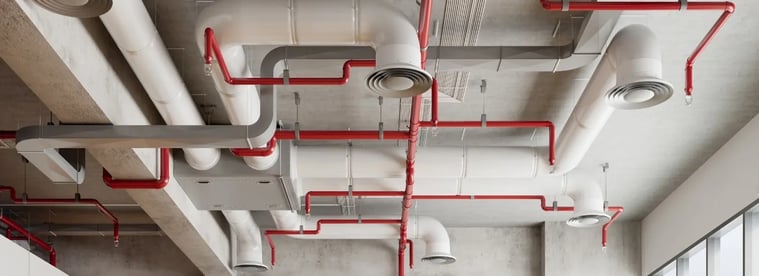
The retail landscape in North Carolina is evolving rapidly. From urban mixed-use developments in Charlotte and Raleigh to suburban power centers and urgent tenant fit-outs, architectural teams and developers face unprecedented design pressures in 2026.
Understanding how MEP (Mechanical, Electrical, and Plumbing) systems influence project performance is now essential to delivering successful retail environments on time and within budget.
According to market research, Charlotte’s retail vacancy rate was just 2.9 % in 2025, underscoring strong demand for quality retail space across the state.
This tight market makes MEP planning not just desirable, but critical for project viability.
Retail Market in North Carolina
North Carolina’s retail sector is among the most dynamic in the Southeast. Charlotte continues to attract grocery-anchored centers and experience-driven tenants, while Raleigh/Durham sees growth in mixed-use developments that blend retail, residential, and office space.
- Urban infill retail: Areas like South End (Charlotte) and North Hills (Raleigh) are becoming dense, walkable hubs with high foot traffic.
- Suburban power centers: Grocery chains and big-box users continue expansion in rapidly growing suburbs.
- Mixed-use developments: Retail anchors in developments like the $191M Fenton urban village in Raleigh demonstrate the shift toward integrated real-estate formats.
- Renovations vs ground-up builds: Scarcity of vacant retail space is pushing more adaptive reuse and fit-out projects.
Retail projects in North Carolina range from large regional malls to small strip centers. Tight construction schedules — accelerated by tenant lease obligations or phased rollouts — put pressure on early design coordination, especially for MEP systems that must be fully integrated before construction begins.
According to the North Carolina Economic Report – 2025 Third Quarter, taxable retail sales in the state grew 6.8 % year-over-year in 2025, underscoring robust consumer spending and strong demand for retail space.
Why MEP Strategy Matters for Retail ROI
MEP design in Retail plays a critical role in the financial success of retail projects. Poorly planned mechanical, electrical, and plumbing systems can reduce rentable square footage by consuming valuable space through oversized shafts and mechanical rooms.
Late MEP changes often result in costly redesigns, construction delays, and increased fit-out expenses.
Beyond construction, inefficient MEP systems drive higher operating and maintenance costs over the life of the building. HVAC performance, lighting quality, and plumbing reliability also directly affect tenant comfort and brand experience.
In competitive North Carolina retail markets, smart MEP planning helps protect revenue, control costs, and improve tenant satisfaction.
Real-World Examples
- Ceiling conflicts: Inadequate early coordination between architectural and MEP teams can lead to ductwork interfering with finished ceiling heights, requiring redesigns and schedule delays.
- Overloaded electrical systems: Underestimating tenant power loads often results in costly late-stage electrical upgrades, especially for food and specialty retailers.
- Efficient MEP layouts: Well-coordinated utility runs provide flexibility, enabling faster tenant fit-outs and easier future reconfiguration.
Regulatory Landscape in North Carolina
Retail projects in North Carolina are subject to a complex mix of state and local regulations that directly impact MEP design.
The North Carolina State Building Code governs structural, mechanical, and life-safety requirements, while increasingly strict energy and mechanical codes influence HVAC system efficiency and overall energy performance.
In addition, electrical and plumbing compliance requires careful coordination to meet utility service capacities, accessibility standards, and inspection requirements.
Architects and MEP engineers often face challenges during plan review and inspections, including inconsistent code interpretations across jurisdictions, HVAC ventilation revisions to satisfy energy compliance, and fire protection coordination issues caused by ceiling and egress design changes.
Engaging MEP specialists early and maintaining proactive communication with local authorities having jurisdiction (AHJs) helps reduce redesigns, approval delays, and construction setbacks.
Early-Stage MEP Planning for Architects
Getting MEP Right Before Drawings Are Locked
Successful mep design begins long before construction drawings are finalized. Architects should gather key information early:
- Tenant mix and use types, as HVAC and electrical loads vary widely by user.
- Electrical and HVAC load expectations to size systems correctly.
- Future flexibility and expansion needs for scalable design.
- Ceiling height and aesthetic goals to minimize downstream clashes.
How to Structure Early Coordination
- Design charrettes with MEP involvement: Include MEP engineers in early workshops to align architectural concepts with utility distribution.
- Align architectural and MEP routing: Use early schematic plans to map ducts, piping, and wiring in critical spaces.
- Avoid downstream clashes: Early clash detection saves time and money compared to field modifications.
NY Engineers’ Building Information Modeling Services can support architects in visualizing and resolving conflicts before construction starts.
Core Retail MEP Challenges: Proven Architect Solutions
1. North Carolina Building Code & Permit Coordination
Problem
- Retail projects in North Carolina must comply with multiple state-specific codes, including Mechanical, Electrical, Plumbing, and Fire
- Late identification of code requirements often leads to plan review comments and design revisions
- Architects face delays when MEP drawings are not fully aligned with local AHJ expectations
Mep Solutions
- Early North Carolina code research during the MEP design phase
- Integrated compliance across HVAC, electrical, plumbing, and fire protection systems
- Permit-ready drawings that reduce review cycles and revision requests
- Smoother approvals and faster project timelines for retail developments
2. Limited Ceiling Heights & Open Layout Conflicts
Problem
- Modern retail demands clean, open layouts
- Ducts, piping cause clashes with lighting
- Coordination issues cause rework & schedule delays
Mep Solutions
- Low-profile ductwork & space-saving strategies
- Designs with MEP aligned with architectural intent
- Reduced clashes & rework compensation
3. Plumbing Coordination Issues in Retail Spaces
Problem
- Restrooms, mop sinks, and service areas are often space-constrained
- Improper plumbing layouts cause conflicts during construction
- Late-stage rerouting leads to cost overruns and inspection delays
Mep Solutions
- Efficient, NC-code-compliant plumbing layouts
- Clear coordination with architectural and structural plans
- Proper water pressure and drainage design
- Smooth inspections with minimal corrections
4. Tight Timelines for Retail Store Openings
Problem
- Retail openings are tied to leases, seasonal launches, and revenue targets
- Any MEP delay impacts the entire construction schedule
- Architects face pressure to deliver fast, permit-ready drawings
Mep Solutions
- Fast-track MEP design delivery for retail projects
- Permit-ready drawings with minimal revisions
- Responsive engineering support during plan review and construction
- On-time store openings with fewer delays
5. Limited Electrical Capacity in Retail Suites
Problem
- Many NC retail suites have limited power due to outdated electrical systems
- High HVAC demand in NC reduces available electrical capacity
- Electrical upgrades are costly and often restricted by landlords
Mep Solutions
- Optimized, energy-efficient MEP designs to reduce load and maintain compliance requirements
- Well-prepared Electric Load Letters and single-line diagrams for AHJ approvals
- Alternatives such as optimized lighting layouts, solar feasibility, and staggered HVAC systems
6. HVAC Design for Seasonal Variations
Problem
- North Carolina retail spaces must perform efficiently during both hot summers and cold winters
- Improper load calculations can result in comfort issues, energy waste, or oversized systems
- Architects need HVAC designs that balance performance, efficiency, and tenant comfort
Mep Solutions
- Accurate HVAC load calculations based on seasonal temperature variations
- Energy-efficient HVAC systems sized for year-round performance
- Proper ventilation strategies to maintain indoor air quality and thermal comfort
- Reduced operating costs and improved customer experience
Cost Control & Value Engineering Without Compromising Performance
Managing costs while maintaining performance is a top priority for retail developers, especially as construction and labor costs continue to rise.
Smart value engineering focuses on improving efficiency rather than cutting essential MEP systems. When MEP decisions are made early, projects experience fewer change orders, reduced material waste, and minimal field conflicts, helping protect overall project margins.
Engaging MEP expertise from the start allows architects and developers to make informed choices about system selection, HVAC zoning, and electrical infrastructure, avoiding costly redesigns later in the project.
Why Early MEP Strategy Is the Biggest Advantage in 2026
In the competitive retail market of 2026, early and integrated MEP planning gives architects and developers a significant edge:
- Architects protect design intent by aligning utilities with aesthetic and functional goals.
- Developers control costs and schedules by avoiding late changes and costly rework.
- Retail projects achieve long-term performance with efficient, maintainable systems that appeal to tenants and users.
Is your retail project in North Carolina headed for success in 2026?
Contact NY Engineers today for a detailed proposal and actionable insights to ensure your next retail development delivers on performance, cost efficiency, and tenant satisfaction.

Keith Fink
Keith is the Franchise Brand Manager at NY Engineers, Keith is all things related to our project portfolio, brands and all things you need to know before we start your project.
Discuss Your Project With Our Engineers
Join 15,000+ Fellow Architects and Contractors
Get expert engineering tips straight to your inbox. Subscribe to the NY Engineers Blog below.