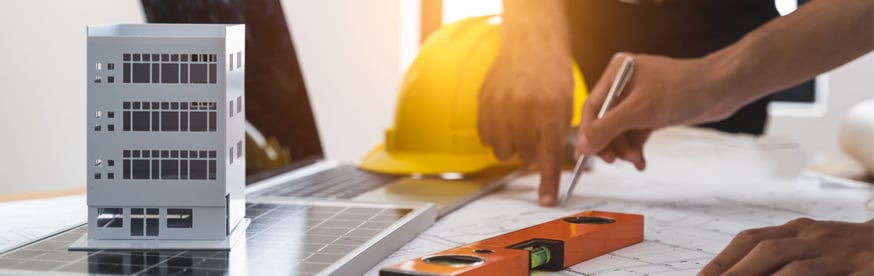
Why Energy Code Compliance Matters in Commercial Bank Design
Designing a commercial bank in New York is no longer just about aesthetics, security, and customer experience.
Today, architects, developers, and general contractors must also navigate complex NY energy code issues for commercial banks that directly impact HVAC systems, lighting layouts, ventilation, electrical infrastructure, and permit approvals.
With stricter sustainability mandates and evolving New York commercial energy regulations, commercial banking projects often face unexpected redesigns and compliance challenges during construction.
Questions like “Why do NYC energy code reviews take so long for bank projects?” or “How strict is NYC energy code for financial institutions?” have become increasingly common among project teams.
For both new construction and renovation projects, early commercial bank MEP design coordination is critical to reducing delays, avoiding costly revisions, and improving long-term building performance.
Why Commercial Bank Projects in NYC Face Energy Code Challenges
One of the biggest challenges in bank construction is adapting modern systems to older urban buildings.
Many banks in New York operate inside aging commercial properties that were never designed to meet today’s NYC commercial building energy code requirements.
Architects frequently encounter outdated infrastructure, limited ceiling space, and insufficient electrical capacity during renovations.
Existing HVAC layouts often fail to meet modern ventilation and energy efficiency standards, especially in high-occupancy customer areas.
This is one reason why “why commercial bank projects fail NYC energy compliance” is such a common industry concern.
According to the U.S. Department of Energy, commercial buildings can reduce energy consumption by up to 30% through improved system coordination and high-performance building design.
This highlights the growing importance of energy-efficient bank design strategies during planning and construction.
Additionally, NYC permit reviews often involve multiple agencies, making compliance coordination even more complex for architects and contractors.
Common HVAC Energy Code Issues in Commercial Bank Design
HVAC systems are among the most heavily scrutinized elements during bank permitting and inspections. Many teams struggle with NYC bank HVAC code compliance because banking facilities require strict temperature control, ventilation standards, and energy performance targets.
Architects often ask:
- “How do architects coordinate HVAC systems with NY energy codes?”
- “Anyone dealing with NYC ventilation code conflicts in bank projects?”
Common issues include:
- Incorrect HVAC load calculations
- Poor zoning strategies
- Inadequate outside air ventilation
- Oversized rooftop units
- Limited space for duct routing
In older buildings, existing ductwork configurations frequently conflict with modern NYC commercial bank ventilation requirements. Improper airflow distribution can also impact customer comfort and equipment performance.
Many commercial bank projects now incorporate:
- Energy recovery ventilation
- Smart HVAC controls
- High-efficiency air handling systems
- Building automation systems
These systems help improve energy performance while supporting code compliance.
Get Expert Guidance for Your Project
Struggling with energy code compliance during bank fit-outs or renovations?
Our MEP engineers help architects and developers coordinate HVAC, electrical, plumbing, and code requirements for complex NYC commercial projects.

Lighting & Electrical Code Problems in NYC Bank Renovations
Lighting and electrical systems create another major source of energy code compliance challenges in bank renovations.
Modern commercial banks require advanced:
- Security systems
- ATM infrastructure
- Digital displays
- Emergency power systems
- Customer technology integrations
However, many older buildings lack the electrical capacity to support these upgrades.
Questions like “Why do electrical upgrades trigger energy code redesigns?” or “Anyone struggling with NYC lighting power density limits?” are extremely common during bank fit-outs.
One major issue is compliance with the NY energy code lighting requirements, particularly lighting power density (LPD) limits. Overdesigned lighting systems can quickly fail plan reviews and require redesigns.
Architects must also coordinate:
- Emergency lighting
- Occupancy sensors
- Daylight controls
- Energy-efficient fixtures
Proper NYC bank electrical code compliance planning helps reduce change orders and improve inspection approvals.
According to the International Energy Agency, lighting upgrades alone can reduce commercial building electricity usage by nearly 20%.
How MEP Coordination Helps Avoid Energy Code Violations
One of the most effective ways to reduce common NY energy code issues in bank renovations is through early MEP coordination.
Poor coordination between architectural, HVAC, plumbing, electrical, and security systems often causes:
- Redesign cycles
- Permit comments
- Ceiling clashes
- Construction delays
Bank ceilings are especially difficult because lighting, sprinklers, ductwork, security devices, and structural systems all compete for limited space.
This is why many architects ask:
“Best way to handle energy modeling in bank renovations?”
Using BIM coordination and energy modeling for buildings early in design allows teams to identify conflicts before construction begins.
Effective coordination strategies include:
- BIM clash detection
- Detailed existing condition surveys
- Early code compliance reviews
- Integrated consultant coordination meetings
- Permit-ready MEP drawings
Proper financial institution MEP design coordination also supports:
- Local Law 97 compliance
- Improved building envelope performance
- Better system efficiency
- Faster DOB approvals
Best Practices for Meeting NY Energy Code Requirements in Bank Projects
Successful commercial bank projects typically prioritize energy compliance from the earliest planning stages.
Best practices include:
- Conducting detailed code reviews early
- Verifying existing building conditions
- Performing accurate HVAC load Calculations and lighting calculations
- Integrating sustainable system strategies
- Coordinating future-ready electrical infrastructure
Architects working on bank branch renovation NYC projects should also plan for:
- Future tenant upgrades
- Flexible HVAC zoning
- Scalable power systems
- High-performance lighting controls
Early collaboration between architects, MEP engineers, and contractors helps improve permit timelines while reducing redesign risks.
Conclusion
Managing NY energy code issues for commercial banks requires far more than meeting minimum permit requirements. Today’s banking facilities demand efficient HVAC systems, advanced electrical infrastructure, coordinated MEP planning, and strict energy compliance integration.
Without proper coordination, commercial bank projects often face delayed approvals, redesigns, and costly construction changes.
By investing in early commercial bank MEP design in New York coordination, architects and developers can streamline approvals, improve system performance, and create more sustainable, future-ready financial institutions.
Looking to simplify energy code compliance for your next commercial bank project?
Integrated HVAC, electrical, plumbing, and code coordination strategies can significantly improve project timelines and reduce costly revisions.