

Avoiding Ceiling Redesigns: MEP Tips for California Architects
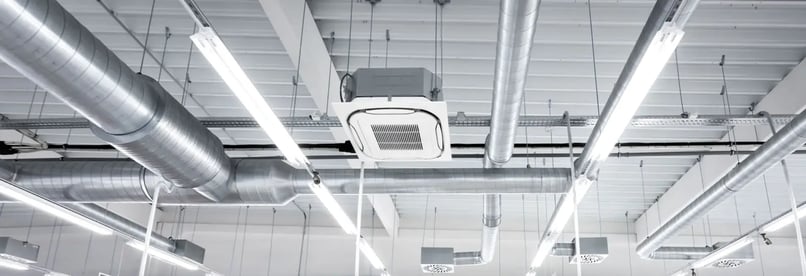
Ceiling redesigns are one of the most common and costly surprises in commercial construction. What begins as a clean architectural ceiling layout can quickly change when HVAC ducts, electrical conduits, sprinkler piping, and structural elements compete for limited overhead space.
For California architects, these challenges are amplified by strict energy codes, life-safety requirements, and increasingly complex building systems.
Questions frequently discussed by architects include:
"How do architects avoid ceiling clashes late in design?"
The answer often comes down to proactive coordination. By addressing MEP coordination issues early, design teams can minimize revisions, reduce RFIs, and keep projects on schedule.
Why Ceiling Redesigns Happen in Commercial Building Projects
Many ceiling-related issues emerge during the later stages of design or even during construction.
Architects may finalize an architectural ceiling design before mechanical, electrical, and plumbing systems are fully coordinated. As a result, conflicts remain hidden until construction documents are reviewed or systems are installed in the field.
According to the National Institute of Building Sciences, inadequate project coordination remains a major contributor to construction inefficiencies and rework, which can significantly impact project costs and schedules.
Common causes include:
- Limited ceiling plenum design space
- Late-stage equipment changes
- Incomplete construction document coordination
- Lack of multidisciplinary reviews
- Poor communication between design disciplines
These issues often lead to ceiling redesign costs, project delays, and expensive change orders that could have been avoided through better planning.
The Most Common MEP Conflicts That Affect Ceiling Layouts
HVAC Ductwork and Ceiling Height Constraints
One of the most frequent coordination problems involves HVAC coordination in ceiling spaces. Large ducts, VAV boxes, and ventilation equipment often require more clearance than initially anticipated.
Architects regularly ask,
"Best way to coordinate HVAC ducts with architectural ceilings?"
The answer is simple - Establish ceiling zones early and validate equipment sizes during the design development phase. Waiting until permit drawings are nearly complete often results in duct routing conflicts and ceiling modifications.
Lighting, Electrical, and Fire Protection Coordination
Another common issue is the overlap between lighting fixtures, sprinkler heads, and electrical systems. Poor lighting layout coordination can create spacing conflicts that affect aesthetics and code compliance.
Accurate electrical coordination drawings and early sprinkler coordination reviews help ensure all systems fit within the available ceiling space while maintaining the integrity of the reflected ceiling plan (RCP).
Structural Elements Competing for Ceiling Space
Beams, transfer girders, and other structural components frequently create above-ceiling conflicts. Without proper MEP coordination, architects may discover that critical systems cannot be installed as originally planned.
California Design Requirements That Influence Ceiling Coordination
California projects face unique challenges due to stringent energy and building regulations. California Title 24 requirements often influence lighting layouts, mechanical ventilation strategies, and equipment selection.
Architects working on commercial projects must also consider:
- Energy-efficient lighting controls
- Ventilation requirements
- Accessibility standards
- Fire and life-safety regulations
- Local authority review processes
These California building code compliance requirements directly affect ceiling space planning and should be incorporated into the coordination process from the earliest stages of design.
A report from the U.S. Department of Energy highlights that buildings account for nearly 75% of U.S. electricity consumption, making efficient system integration increasingly important.
5 MEP Coordination Strategies to Prevent Ceiling Redesigns
1. Engage MEP Engineers Early
One of the biggest coordination mistakes architects make is waiting too long to involve engineering teams. Early architectural and MEP collaboration allows potential conflicts to be identified before layouts become fixed.
2. Coordinate Ceiling Zones During Design Development
Define dedicated zones for HVAC, electrical, plumbing, and fire protection systems. This approach improves integrated building design and minimizes competition for ceiling space.
3. Use BIM-Based Clash Detection
Modern BIM clash detection tools can identify conflicts before construction begins.
Questions like "How do you catch ceiling clashes before construction?" are often answered through advanced BIM modeling workflows.
Using Revit MEP coordination and clash detection software helps teams visualize potential issues and resolve them digitally rather than in the field.
4. Review Reflected Ceiling Plans with All Disciplines
A coordinated reflected ceiling plan should be reviewed by architects, MEP engineers, and contractors. This collaborative approach improves building systems integration and reduces coordination gaps.
5. Validate Equipment and Duct Sizes Before Documentation
Many redesigns occur because equipment assumptions change late in the project. Conducting a formal constructability review before finalizing permit drawings helps prevent costly revisions and field modifications.
These strategies are essential for reducing RFIs through MEP coordination and avoiding expensive construction delays.
What California Architects Should Expect From Their MEP Team
Successful projects depend on strong partnerships between architects and engineers. Experienced MEP consultants should provide:
- Early system planning
- Ceiling clearance studies
- BIM coordination reports
- Clash detection reviews
- Ongoing construction administration support
Architects should also expect proactive communication regarding ceiling clearance requirements, equipment changes, and code-driven design impacts.
Better Coordination Means Fewer Ceiling Revisions
The most effective way to avoid ceiling redesigns is through early coordination, technology-driven workflows, and continuous collaboration among project stakeholders.
By prioritizing BIM coordination for ceiling design, validating system requirements early, and involving MEP engineers throughout the process, architects can significantly reduce redesigns, RFIs, and change orders.
In California's increasingly complex commercial construction environment, proactive coordination is no longer optional—it's essential for delivering projects on time, on budget, and without costly ceiling revisions.
FAQs
Ceiling redesigns typically occur when HVAC, electrical, plumbing, fire protection, and structural systems are not fully coordinated during design, leading to conflicts discovered during construction.
The most common causes include limited ceiling plenum space, oversized ductwork, sprinkler piping conflicts, lighting layout issues, and structural interference.
Architects can improve coordination by involving MEP engineers early, using BIM-based workflows, conducting clash detection reviews, and regularly coordinating reflected ceiling plans.
Clash detection is a BIM process that identifies physical conflicts between building systems before construction begins, allowing teams to resolve issues digitally.
MEP engineers should be involved during schematic design and development phases to establish system requirements, allocate ceiling space, and prevent future redesigns.

Keith Fink
Keith is the Franchise Brand Manager at NY Engineers, Keith is all things related to our project portfolio, brands and all things you need to know before we start your project.
Discuss Your Project With Our Engineers
Join 15,000+ Fellow Architects and Contractors
Get expert engineering tips straight to your inbox. Subscribe to the NY Engineers Blog below.